


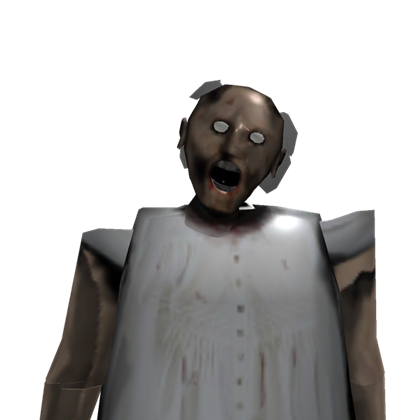






Game description:
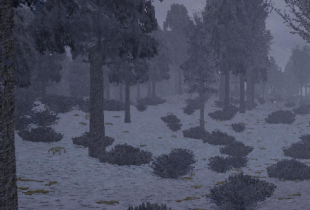
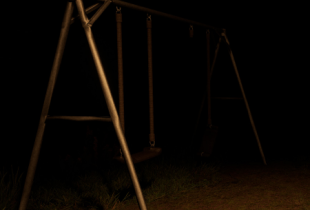
Slender The Eight Pages places the player in a quiet, empty environment where nothing seems to happen at first. There is no introduction, no story explanation, and no clear instruction on what to do. The game begins with the player standing alone in a forest, holding a flashlight and surrounded by darkness. This lack of guidance immediately creates discomfort, as the player must decide where to go without understanding the risks involved. The experience is built around uncertainty, making every movement feel deliberate and tense.
Environment And Spatial Design
The game world is intentionally simple, consisting of a forest enclosed by fences and scattered with a few recognizable structures. These locations act as loose landmarks, but their placement often makes navigation confusing. Because the environment looks similar in many directions, players can easily lose track of where they have been. This design encourages slow exploration and constant awareness of surroundings. The darkness limits visibility, and the narrow beam of the flashlight forces players to focus on small sections of the environment at a time.
Objective And Core Mechanics
The goal in Slender The Eight Pages is to collect eight notes hidden throughout the map. Each note increases the game’s difficulty by making the enemy more aggressive and unpredictable. The player has no means of defense, which turns every encounter into a moment of escape rather than confrontation. The core mechanics that shape the experience include:
· Searching for hidden pages in key locations
· Managing stamina while running
· Using visual and audio cues to detect danger
· Avoiding direct contact with the enemy
· Choosing paths carefully to prevent getting trapped
These mechanics remain consistent, but the pressure increases with each collected page.
Audio design plays a crucial role in building tension. Static noises, sudden sound spikes, and distant effects signal the presence of danger without showing it directly. Visual distortion increases when the enemy is nearby, forcing players to react quickly even if they cannot see the threat. The absence of background music makes every sound more noticeable, turning silence into an important part of the experience. This reliance on sensory cues keeps players constantly alert.
Importance In Horror Game Design
Slender The Eight Pages became widely recognized for redefining how horror games could function with minimal resources. Instead of relying on complex mechanics or scripted scares, it used atmosphere and limitation to create fear. The game demonstrated that player imagination can be more effective than visual detail. Its success influenced many later horror titles that adopted similar approaches, focusing on vulnerability, exploration, and tension rather than combat. Even years after its release, it remains a strong example of how simple design choices can leave a lasting impression.





Comments