









Game description:
Project PITT is a first-person horror game focused on exploration, observation, and environmental storytelling. The player navigates a confined underground structure where progression depends on understanding space, light, and sound rather than combat. The game limits direct guidance, requiring the player to interpret visual cues and subtle changes in the environment. Movement through corridors and rooms is deliberate, reinforcing a sense of spatial awareness and uncertainty as the primary driver of interaction.
Environment Structure and Exploration
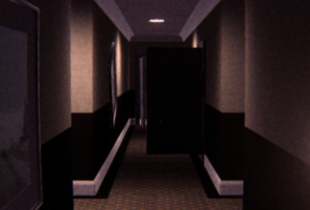
The game world is designed as a closed facility composed of interconnected rooms, hallways, and access points. Navigation relies on memory and orientation rather than maps or markers. Certain areas remain inaccessible until specific conditions are met, encouraging revisits and reassessment of previously explored locations. Environmental details such as lighting changes, sound shifts, and object placement often indicate whether an area is safe or requires caution. Exploration is slow-paced, with emphasis placed on attention rather than speed.
Interaction Systems and Player Actions
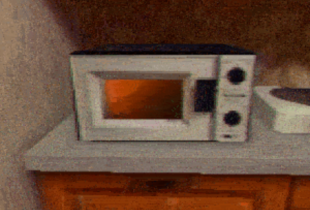
Player interaction in Project PITT is limited to basic actions, which increases the importance of context. Instead of complex mechanics, the game relies on how and when actions are performed. Objects may respond differently depending on the current state of the environment, and some interactions only become relevant after specific events. Core interaction elements include:
· moving through dark or restricted spaces
· activating or disabling environmental elements
· observing changes in sound and lighting
· locating keys or access tools
· triggering progression through indirect actions
These elements form a loop where observation leads to action, and action alters perception of the environment.
Audio Design and Tension Management
Sound plays a structural role in guiding player behavior. Ambient noise, mechanical hums, and distant audio cues provide information about nearby spaces and possible threats. Silence is used intentionally, often signaling transitions or changes in state. The audio design replaces traditional alerts, requiring players to listen carefully to anticipate outcomes. This approach integrates tension directly into navigation rather than scripted encounters.
Visual Presentation and Feedback
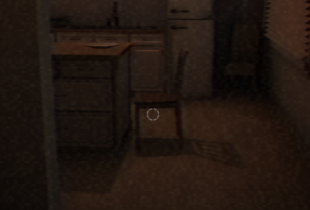
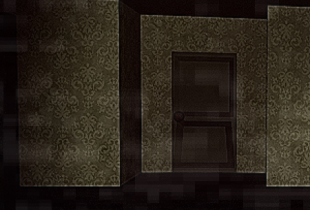
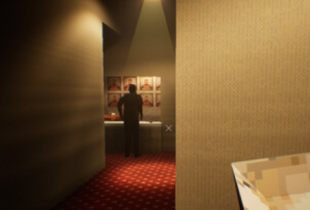
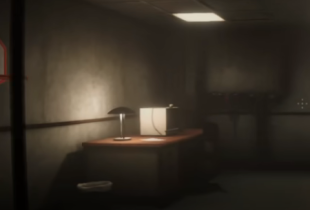
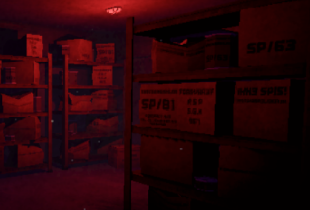
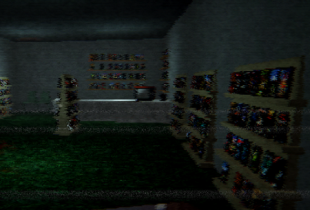
The visual style prioritizes clarity of space over detail density. Environments are readable, with lighting used to define paths, obstacles, and points of interest. Visual feedback is subtle, often limited to changes in illumination or object positioning. Interface elements are minimal, keeping attention on the environment itself. This design reinforces immersion by making the world the primary source of information.








Comments