









Game description:
Berry Bury Berry is a first-person incremental game that centers on repetition and system-driven growth. The player is placed in a confined environment where progress is achieved through continuous interaction rather than objectives or competition. There are no traditional levels or match endings; instead, the experience unfolds as a persistent process. Every action contributes directly to accumulation, making the game focused on long-term engagement and gradual change rather than short-term outcomes.
Fundamental Gameplay Structure
The core structure of Berry Bury Berry is built on a stable and repeatable set of actions. Players collect berries and interact with a central mechanic that transforms these resources into progression. This loop remains consistent throughout the experience, which allows players to understand cause and effect clearly. Rather than introducing new controls, the game increases complexity by layering additional systems onto existing interactions. This design encourages familiarity and reinforces learning through repetition.
Systems And Progression Logic
Progression is governed by how effectively the player manages generated resources. Berries act as both the primary output and the input for unlocking improvements. Players choose when to spend resources and which systems to enhance first. The pacing of progress depends entirely on these decisions, not on timers or external conditions. Key systems that shape progression include:
· Manual resource generation through interaction
· Conversion mechanics that unlock upgrades
· Efficiency improvements that increase output
· Threshold-based access to new mechanics
These elements work together to create a predictable but flexible progression path. No single system forces advancement, allowing players to control their own pace.
Environment And Player Feedback
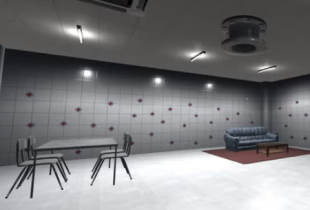
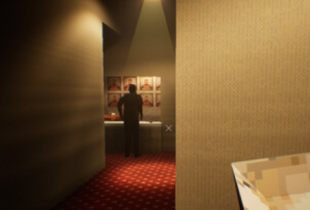
The environment in Berry Bury Berry is minimal and intentionally static in layout. Its purpose is to support interaction rather than exploration. Visual changes occur as a direct result of progression, serving as feedback rather than challenges. New objects or systems appear only when unlocked, reinforcing the connection between effort and reward. The space gradually becomes more populated, reflecting accumulated progress without altering how the player navigates it.
The game is designed to be played over multiple sessions, with all progress saved between play periods. There is no penalty for stopping or returning later. Over time, players transition from performing every action manually to managing efficiency and output. This shift reduces repetitive input while maintaining engagement through system oversight. Long-term play is driven by optimization rather than completion.











Comments