









Game description:
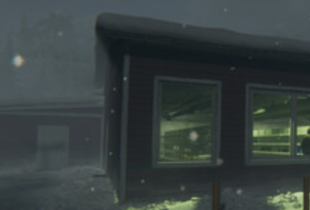
Storm Grill begins as a survival exercise focused on protecting a single operational point against continuous weather pressure. From the opening moment, the player is tasked with keeping the grill active while external conditions steadily worsen. There is no map exploration or character movement, as all interaction is concentrated on preventing failure. Progress is tied to how long the system remains functional and how effectively resources are accumulated across repeated attempts.
Core Interaction Model
Each session follows a stable structure that emphasizes direct response to incoming threats. Rain falls toward the grill in increasing volume, and the player must remove these threats before they cause shutdown. Input remains simple and consistent throughout play, which places importance on attention management rather than mechanical complexity. As conditions intensify, the margin for error narrows, forcing quicker prioritization without introducing new actions or controls.
Resource Use And Upgrade Planning
Resources earned during active play are retained after a session ends and form the basis for long-term advancement. Between runs, the player allocates currency toward permanent improvements that influence future performance. These upgrades modify resistance, efficiency, or tolerance rather than adding new mechanics. The planning phase becomes increasingly important as storms grow more demanding, since upgrade choices determine how long pressure can be sustained.
Midway through progression, players repeatedly engage with several core elements:
· removing rain during active sessions
· earning currency through survival time
· unlocking permanent improvements
· reassessing upgrade paths after failure
This loop defines progression while keeping interaction focused on a single objective.
Difficulty Growth And Session Consistency
Difficulty scaling in Storm Grill is handled through environmental escalation instead of system expansion. Rain density and speed increase gradually, compressing reaction windows and raising cognitive load. Because the interaction model never changes, improvement comes from familiarity and better upgrade selection rather than learning new rules. Failure ends the current run but does not remove progress, which supports experimentation across sessions.








Comments