









Game description:
Daily Lives Of My Countryside is a simulation that follows the structure of routine and gradual progression within a rural setting. The player manages small daily actions that affect resources, relationships, and the environment. The design focuses on cause and effect: every task, conversation, or time decision influences later events. The game does not guide the player through strict objectives but instead allows flexible scheduling where choice and timing define outcomes.
Core Systems
The framework of Daily Lives Of My Countryside is built around activity management and environmental response. Each in-game day presents a list of available actions such as tending crops, maintaining tools, or visiting other residents. Time progresses in short cycles that require planning and prioritization. The central systems include:
· Resource collection and upkeep of land and equipment.
· Interaction with non-player characters through dialogue trees.
· Tracking energy and time as limited resources.
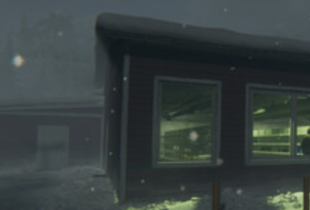
· Observing weather and seasonal effects that alter possibilities.
These mechanics create a balanced loop where the player evaluates trade-offs and adjusts plans to maintain efficiency.
Social and Environmental Interaction
Social interaction functions as a secondary but connected system. Non-player characters respond to consistency, reliability, and timing. Relationships open access to trade, information, and cooperative activities. Environmental feedback runs in parallel, showing how neglect or overuse shifts productivity. The player learns through repetition and observation, understanding how different routines produce long-term change. Daily Lives Of My Countryside connects these layers without visible scoring or direct guidance, letting the player form structure through behavior.
Progress and Variation
Progress is marked not by level completion but by transformation in the surroundings and available routines. As the player refines patterns, new tools, crops, and areas become available. The rhythm of days introduces subtle differences that require adaptation. Some variables like weather or random events challenge established schedules and push for flexibility. The game loop encourages steady observation and learning rather than goal-chasing, rewarding understanding of system behavior over quick advancement.
Daily Lives Of My Countryside demonstrates how repetition and limited resources can produce structure without conflict. By managing cycles of time, energy, and social balance, the player builds continuity within a simple framework. The outcome depends on steady adjustment and patience rather than competition. Through this approach, the game defines progress as the consistent improvement of small processes, showing how interaction and observation can sustain long-term engagement in a quiet system of daily tasks.













Comments