









Game description:
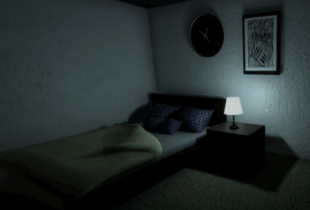
Gamer Struggles is a 2D narrative-driven game that places the player in control of a character forced to confront life beyond a long period of isolation. The game begins after the protagonist leaves a familiar, enclosed environment and must adapt to unfamiliar spaces, people, and responsibilities. Rather than focusing on fast-paced action, the experience is built around movement, decision-making, and gradual exposure to new situations. Progress is shaped by how the player responds to challenges that reflect both practical and personal obstacles.
Story Framework and Player Perspective
The narrative is delivered through a sequence of encounters that reflect the protagonist’s adjustment to a broader world. Dialogue, environmental cues, and short scenarios provide context without relying on long explanations. The player’s role is not to follow a fixed storyline but to guide the character through situations that can branch based on choices. These decisions influence future interactions and determine which paths become available, making the player’s input central to how the story unfolds.
Gameplay Structure and Core Actions
Gameplay combines side-scrolling movement with interaction and choice-based progression. Levels are designed to introduce obstacles that require timing, observation, or problem-solving rather than constant combat. Interaction with other characters plays a significant role, as conversations and responses can alter outcomes. Key gameplay elements include:
· navigating 2D environments with platforming mechanics
· interacting with objects and non-player characters
· making dialogue choices that affect progression
· solving situational puzzles tied to the environment
· unlocking alternative routes based on earlier decisions
These systems work together to create a loop where exploration and choice drive both gameplay and narrative development.
Challenges and Decision Consequences
Challenges in Gamer Struggles extend beyond physical barriers. Players must manage situations that involve uncertainty, limited information, or conflicting options. Some choices produce immediate results, while others influence events much later in the game. This delayed feedback encourages players to think about long-term impact rather than short-term success. Failure does not necessarily stop progress but can redirect it, leading to different scenes or interactions.
Visual Style and World Presentation
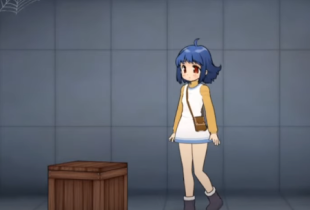
The game uses pixel-based visuals that prioritize clarity and functional design. Environments are structured to communicate purpose through layout rather than explicit markers. Character animations and visual changes often signal shifts in state or consequence, reducing the need for interface prompts. This approach keeps attention on the game world and reinforces immersion through consistency.











Comments