









Game description:
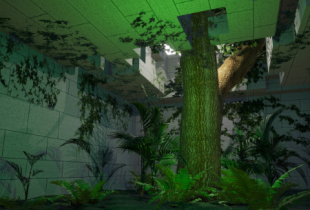
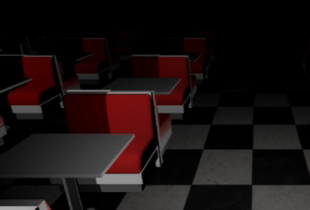
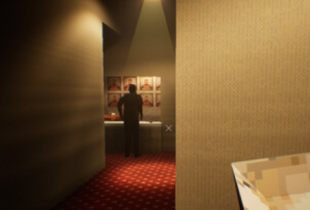
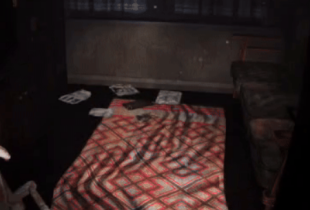
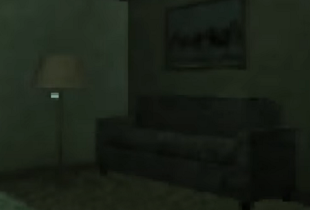
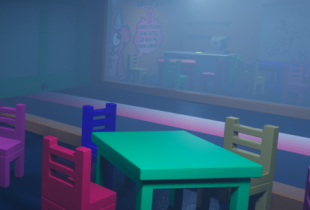
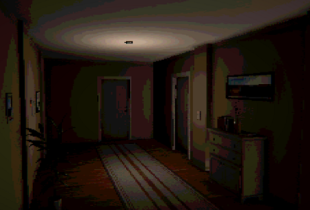
Flesh, Blood, & Concrete begins with the player stepping into a closed, unfamiliar building where purpose is not explained and direction is unclear. From the opening moments, progression is tied to movement and observation rather than objectives or tasks. The environment presents itself as ordinary at first, but repeated traversal reveals inconsistencies that suggest underlying change. Advancement depends on recognizing these shifts instead of completing explicit goals, placing attention on space rather than action.
Environmental Continuity And Movement
Movement through the building follows a simple control scheme, but spatial continuity becomes increasingly unreliable. Corridors and rooms repeat, sometimes unchanged and sometimes altered in subtle ways. There are no indicators to confirm progress, so the player must rely on memory and comparison. Navigation becomes an exercise in noticing what no longer aligns with expectation. This approach replaces traditional level progression with spatial awareness as the primary method of advancement.
Limited Interaction And Discovery
Interaction is intentionally restricted to basic examination and movement. Objects can be inspected, and dialogue may occur, but these elements rarely provide direct explanation. Instead, they offer fragments that add context without resolving uncertainty. The absence of puzzles, combat, or inventory systems keeps interaction focused and narrow, reinforcing the role of environment as the main narrative driver.
Throughout exploration, the player repeatedly engages with several core actions:
· moving through familiar but altered spaces
· examining objects for contextual clues
· triggering short dialogue exchanges
· identifying changes in layout or structure
These actions define progression without introducing mechanical complexity.
Narrative Construction Through Space
The narrative of Flesh, Blood, & Concrete is constructed indirectly. Story elements emerge through repetition, placement, and contrast rather than through a linear plot. Dialogue is sparse and often ambiguous, offering perspective without clarification. The environment communicates more than characters do, using shifts in space to suggest continuity or disruption. Meaning develops gradually as the player connects recurring elements across repeated areas.
The interface remains minimal and functional. Controls are limited to essential actions, and visual overlays are avoided. Text appears briefly and only when interaction occurs, keeping attention anchored to the environment. There are no prompts guiding interpretation, which reinforces reliance on personal observation.








Comments