









Game description:
Don’t Eat the Cashier is a visual novel where the player takes a night shift job at a gas station and interacts with non-human customers. The gameplay is based on reading dialogue, making choices, and managing interactions with characters who behave unpredictably. The objective is to complete the shift while responding to each situation correctly, avoiding outcomes where the player loses control of events. The structure is linear in presentation but branches through decisions that influence the direction of the story.
Core Gameplay and Choice System
The main mechanic is decision-making during conversations. Players read dialogue and select responses that affect relationships and outcomes. Each interaction has consequences, and characters react to tone, behavior, and consistency. There is no real-time action or movement system; all gameplay occurs through dialogue sequences and choice menus. The challenge comes from interpreting character intentions and choosing responses that align with the desired outcome.
Setting and Characters
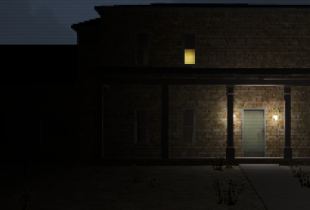
The entire game takes place during a single night at a gas station. Customers are monsters with distinct personalities, and each encounter introduces new dialogue branches. Some characters can be approached in a neutral or cooperative way, while others create tension through unpredictable behavior. The player must balance staying professional with reacting to unusual requests. The setting remains constant, but interactions change depending on earlier decisions, which creates variation across playthroughs.
Dialogue-based gameplay with branching choices
Multiple characters with unique behavior patterns
Several endings based on player decisions
Character customization options
Single-location structure focused on interactions
Progression and Endings
Progression is tied to narrative branching rather than levels or upgrades. Each choice leads to different paths, and the game includes multiple endings that reflect how the player handled interactions. Outcomes range from maintaining control of the situation to losing it entirely. Replayability comes from exploring alternative decisions and discovering how small changes affect the final result. There is no traditional scoring system; success is defined by the ending reached.
Don’t Eat the Cashier focuses on interaction and narrative outcomes instead of mechanical complexity. The gameplay loop consists of reading, choosing responses, and observing consequences. The lack of movement or resource systems keeps the experience focused on dialogue and decision-making. The game maintains a consistent structure throughout, using a single setting and a limited number of characters to build variation through branching paths.













Comments