









Game description:
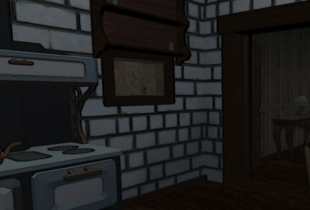
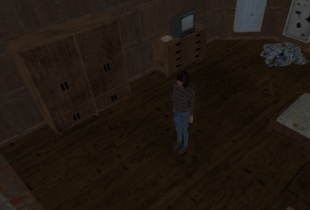
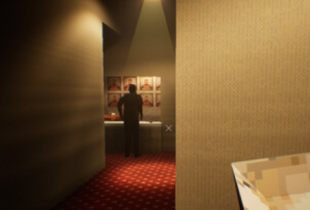
67 Minutes In Heaven is a short first-person horror game built around a single scenario that takes place during a night gathering between a small group of characters. The player controls a protagonist invited to a double date, where events quickly shift from casual interaction to a controlled environment with hidden threats. The gameplay focuses on movement inside a confined location, primarily an abandoned house, where exploration and dialogue drive progression. The structure is linear but allows variation through player decisions and interactions.
Core Gameplay And Interaction
The main gameplay consists of exploring rooms, interacting with objects, and progressing through dialogue sequences. Players can inspect items, move between spaces, and trigger events by completing simple actions. Interaction is context-based, meaning available options depend on location and current progression. Environmental details such as lighting, sounds, and object placement provide information about what actions are possible and what risks may be present.
Choice System And Outcomes
Dialogue choices play a central role in how the game develops. The player is presented with options during conversations that influence relationships and determine how the scenario unfolds. These choices affect key moments and lead to different endings. The game includes at least two distinct outcomes, which depend on decisions made during interactions with other characters and responses to unfolding events.
The main gameplay loop includes:
exploring the house and interacting with objects
engaging in dialogue with other characters
making choices that influence events
observing environmental changes and cues
reaching one of multiple possible endings
Mechanics And Atmosphere
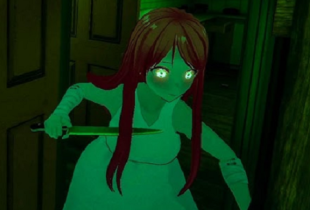
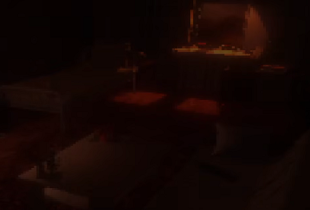
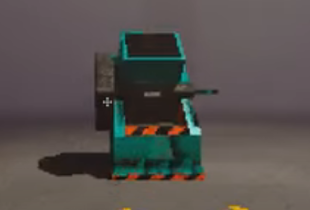
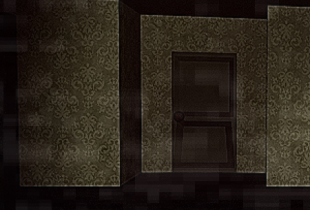
The game uses a combination of basic mechanics and environmental design to create tension. There are no complex systems; instead, emphasis is placed on timing, awareness, and interpretation of events. Certain sequences require the player to react correctly to avoid negative outcomes. Visual presentation uses a retro-inspired style combined with modern lighting effects, which affects visibility and perception of space. Sound design and music are used to signal changes in the situation and guide player attention.
Structure And Replayability
67 Minutes In Heaven is designed for short play sessions, but replayability comes from alternative choices and hidden details. Players may miss certain interactions or outcomes during a first playthrough. Replaying allows different dialogue paths and outcomes to be explored. The structure encourages experimentation with decisions to understand how different actions affect the overall result.
The game focuses on interaction, choice, and environmental awareness. Progression depends on player decisions, while the limited setting and short duration keep the experience concentrated on a single evolving scenario.







Comments