









Game description:
The Kid At The Back is a narrative-focused visual novel built around dialogue, choice, and gradual story discovery. The game is set primarily in a school environment and follows a protagonist whose daily routine becomes shaped by interactions with classmates. Progress does not rely on mechanical challenges but on attention to conversations and the implications of player decisions. Each scene contributes to a broader narrative structure where small choices can influence tone, pacing, and access to later events.
Narrative Structure and Player Position
The story unfolds through a first-person perspective, placing the player directly into everyday situations such as classroom interactions and casual conversations. The central figure, a quiet student seated at the back, becomes a recurring point of focus as the player learns more through indirect information and personal exchanges. The narrative avoids direct exposition, instead revealing context through reactions, pauses, and changing dialogue patterns. This structure requires the player to interpret meaning rather than receive explicit explanations.
Choice Mechanics and Story Progression
Player input is limited to selecting dialogue options, but these choices carry persistent consequences. Decisions influence relationships, determine which scenes appear, and affect how characters respond in later moments. The game encourages replay by allowing alternative routes to emerge from different interaction styles. Core interactive elements include:
· selecting dialogue responses during key conversations
· influencing character relationships through repeated choices
· unlocking scenes based on accumulated decisions
· accessing alternative story routes through specific interactions
· reaching different endings tied to narrative paths
These mechanics place emphasis on consistency and awareness rather than optimization.
Themes and Character Dynamics
The Kid At The Back explores how perception and assumption shape relationships. Characters are defined by what they say and by how they react to the player’s presence and choices. Silence, avoidance, or engagement all carry narrative weight. The game presents social situations as layered and ambiguous, requiring the player to decide how actively to engage and when to step back. These dynamics evolve gradually, reinforcing the idea that understanding develops over time rather than through single events.
Visual Format and Presentation
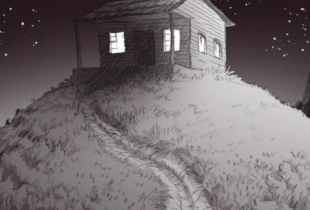
Visually, the game follows a standard visual novel layout with static backgrounds and character portraits. Changes in expression, posture, or framing signal emotional shifts and narrative transitions. Interface elements are minimal, keeping focus on dialogue and pacing. Scene transitions are used sparingly, which supports a steady rhythm and reinforces the grounded setting.











Comments