









Game description:
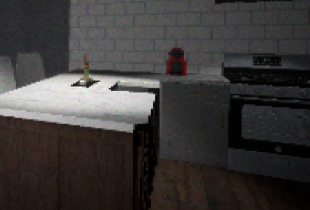
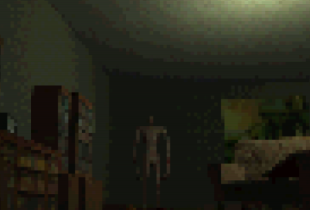
Pizzy’s Parlor is a short, chapter-based horror game that follows a father on what begins as an ordinary evening errand. The story starts with a simple goal—picking up pizza before heading home—but the situation quickly becomes distorted. Each stop the player makes introduces new surroundings and new tension, turning small tasks into moments of unease. The familiar setting of a neighborhood business gradually transforms into something unpredictable. The player’s main objective is to complete required tasks in each location while avoiding an unseen danger that becomes more persistent over time.
Gameplay And Structure
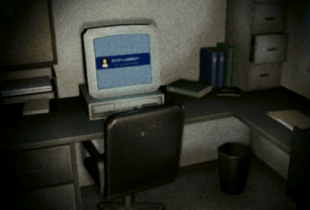
The gameplay in Pizzy’s Parlor centers on exploration and reaction. Each chapter presents a single location with objectives that must be completed before advancing. The player must move carefully, listen to environmental sounds, and decide when to act or hide. Movement is limited, forcing attention to detail and timing. The pattern of activity changes from one chapter to another, maintaining pressure without relying on speed or combat. Each level expands on what the player has already learned, keeping the progression simple but tense as the world becomes less predictable.
Features And Core Systems
Pizzy’s Parlor uses straightforward mechanics that rely on observation, timing, and awareness. The combination of small-scale objectives and changing environments creates a rhythm of discovery and threat.
Main gameplay features include:
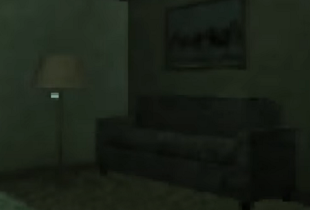
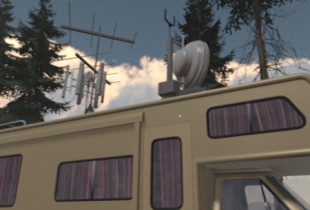
· Multiple chapters set in connected but distinct commercial locations
· Objectives that require collecting items or triggering hidden events
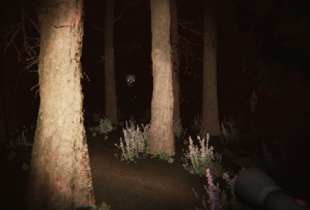
· A pursuing antagonist whose behavior shifts throughout the story
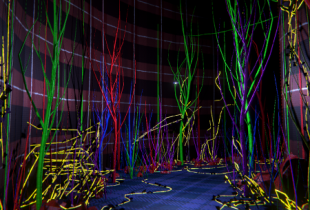
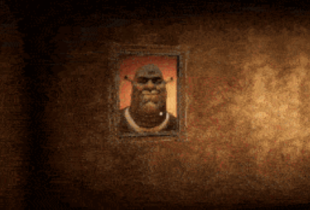
· Environmental changes that signal progression or risk
· Multiple endings depending on player choices and performance
Story And Discovery
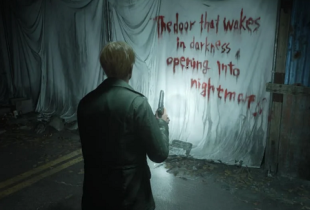
The story in Pizzy’s Parlor unfolds indirectly, encouraging players to interpret clues found in the environment. Notes, visual changes, and layout shifts reveal fragments of what has happened between each stop. The player gradually realizes that the journey through these ordinary places reflects something deeper about the character’s situation. The lack of direct dialogue or narration allows players to form their own conclusions about the meaning behind the events. Each chapter feels both connected and isolated, with small discoveries adding to the broader mystery of why the world behaves the way it does.







Comments