


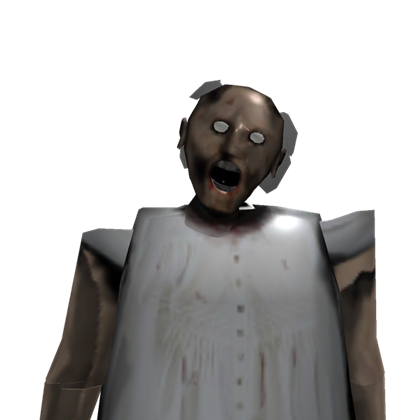






Game description:
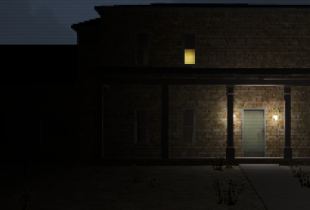
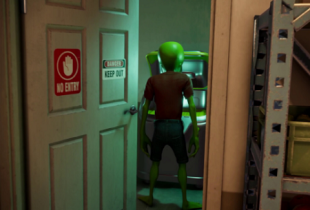
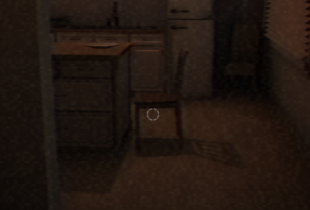
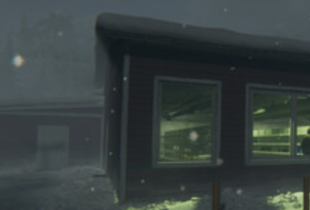
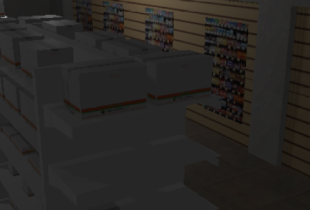
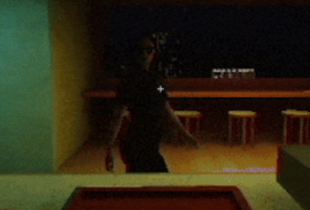
Human Shaped is a first-person horror simulation where the player works a night shift at a small store while interacting with customers who may not be what they appear. The main task is to keep the shop running by serving visitors, but the situation becomes unstable as the shift progresses. The game builds its structure around routine actions that gradually become unreliable, forcing the player to question what they see and how they respond.
Routine Tasks That Become Unstable
At the start, the gameplay is based on simple interactions such as standing at the counter, observing incoming customers, and completing basic service actions. The controls allow movement, interaction, and inspection of the environment. Over time, the same actions become more complex because customers begin to behave inconsistently. The player must pay attention to details such as appearance, movement, and timing to decide how to proceed. The routine does not change, but the interpretation of what is happening becomes uncertain.
Observation as the Main Mechanic
The core system is built around recognizing anomalies. Instead of solving puzzles or fighting enemies, the player evaluates whether each visitor is normal or not. Small differences in behavior or appearance are the primary signals. Decisions are made based on these observations, and mistakes can lead to negative outcomes. The game encourages careful inspection rather than fast reactions, making attention the main skill required.
The gameplay relies on several consistent elements that define each session:
First-person interaction inside a single location
Repetitive service tasks with changing conditions
Detection of anomalies in customer behavior
Multiple outcomes based on player decisions
Short session structure with replay value
These elements work together to create a loop where the player repeats familiar actions while adapting to new variations.
Escalation Through Repetition
As nights progress, the differences between normal and abnormal behavior become less obvious. The game increases difficulty by reducing clear indicators and introducing more ambiguous situations. The player must rely on memory and pattern recognition to make decisions. The repetition of tasks is intentional, as it creates a baseline that allows deviations to stand out more clearly. This structure maintains tension without adding new mechanics.
Structure and Session Design
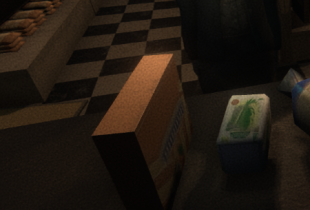
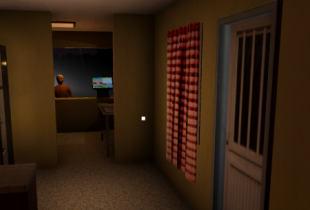
Human Shaped is designed as a short experience, typically completed within a single session. The environment remains limited, and progression is tied to events rather than exploration. There is no extensive inventory or upgrade system, and the focus stays on interaction and observation. Replayability comes from multiple endings and the ability to interpret situations differently on subsequent attempts.






Comments