









Game description:
Poppy Playtime Chapter 6 continues the episodic horror structure of the series, placing the player inside a hostile industrial environment filled with mechanical threats and narrative clues. The core appeal comes from combining exploration, puzzle-solving, and evasion while uncovering hidden story elements connected to previous chapters.
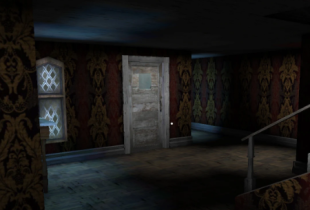
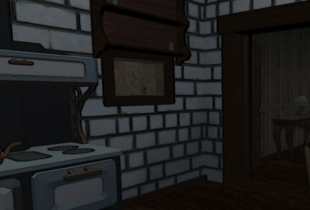
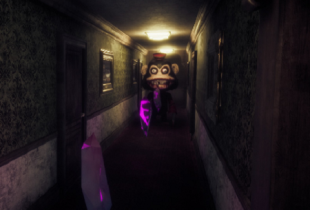
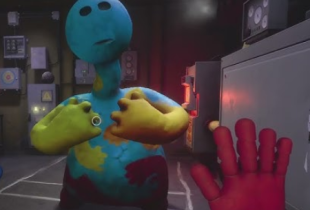
The gameplay focuses on navigating closed environments, interacting with machinery, and solving logic-based puzzles that unlock new areas. Players use familiar tools such as grab mechanics and environmental triggers to progress, while avoiding enemies that appear during scripted encounters and chase sequences. Secret rooms, alternate paths, and collectible items expand the experience and encourage exploration beyond the main route.
Core Mechanics And Exploration
Progression is driven by environmental interaction and timing. Each location introduces new mechanics or variations of existing tools, requiring adaptation rather than repetition. Puzzle design relies on observation, sequence activation, and resource management. Encounters are structured to interrupt exploration, forcing quick decision-making and route planning under pressure.
Story Structure And Atmosphere
The narrative builds through scattered documents, audio logs, and visual storytelling. Players uncover information about experiments, characters, and events linked to earlier chapters. Hidden lore elements and optional areas provide additional context, making exploration essential for full story understanding. Some versions and interpretations suggest multiple endings and branching outcomes tied to discovered secrets and player actions.
Key Features
Puzzle-driven progression with environmental mechanics
Enemy encounters with chase and stealth elements
Hidden rooms and optional exploration paths
Collectibles and lore-based storytelling
Multiple endings depending on exploration and decisions
The structure remains consistent with previous entries but expands the scale of environments and the number of interactive systems. Compared to earlier chapters, this installment places more emphasis on nonlinear exploration and secret discovery, rather than strictly linear progression. The inclusion of branching outcomes and additional hidden content differentiates it from more straightforward horror puzzle games.









Comments