









Game description:
Squid Games Simulator is a survival competition game inspired by elimination-style challenges where players participate in a series of rounds based on simple rules. The main objective is to complete each challenge without failing, since mistakes usually lead to elimination from the match. Players compete alongside other participants and must follow the instructions of each game carefully. The structure focuses on observation, timing, and quick reactions rather than complex combat mechanics.
Structure Of The Competition
At the beginning of a session in Squid Games Simulator, players join a group of contestants who enter a sequence of different mini-games. Each round has its own rules and objectives that must be followed precisely. Some challenges focus on movement control, while others test timing or decision-making.
The environment often changes between rounds, moving players from one arena to another. Each location represents a different type of challenge where the number of remaining participants gradually decreases. As more players fail the tasks, the group becomes smaller until only a few contestants remain.
Gameplay And Player Actions
The gameplay consists of completing different challenges that appear one after another. Each activity requires players to pay attention to the instructions displayed before the round begins.
Typical actions in the game include:
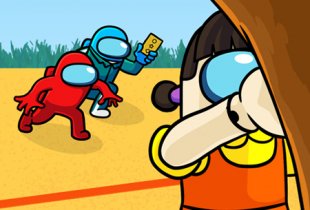
· stopping and moving at specific moments during timed challenges
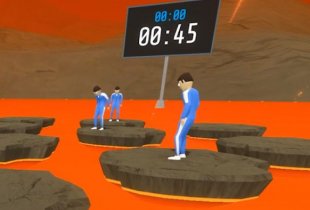
· crossing obstacle areas without making mistakes
· competing against other players in elimination rounds
· reacting quickly to changing rules during games
· surviving until the final stage of the competition
These tasks require concentration and careful movement in order to avoid being removed from the match.
Progression Through Rounds
As the competition continues, the difficulty of the challenges often increases. Early rounds usually allow many players to survive, while later stages require more precision and faster reactions. Because the number of participants decreases after each round, the pressure on the remaining players becomes greater.
Some rounds involve cooperation or indirect interaction between contestants, while others require individual performance. The final stages usually determine the winner among the last remaining players who successfully completed all previous challenges.













Comments