


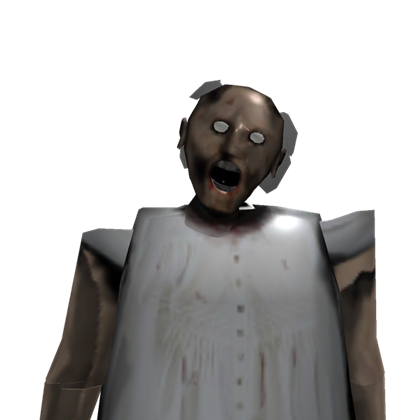






Game description:
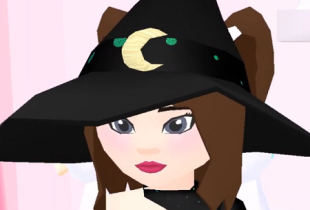
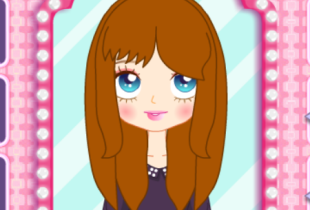
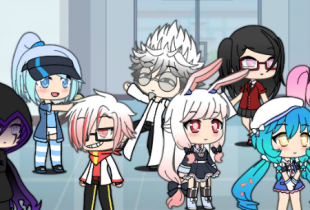
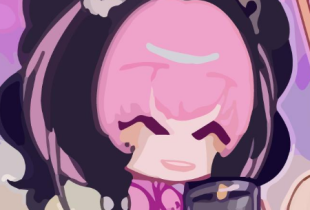
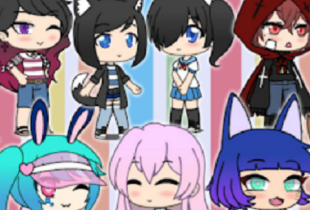
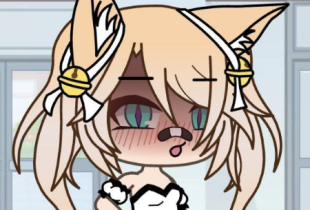
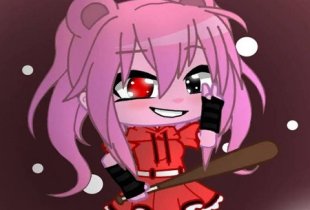
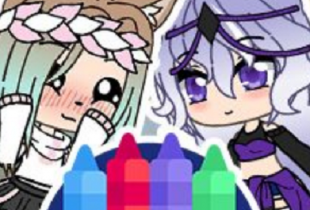
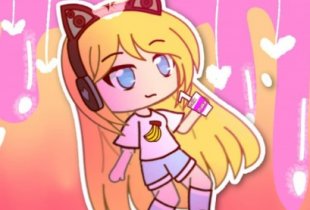
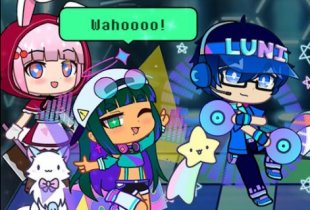
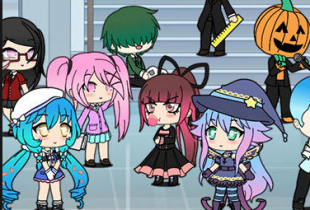
Gacha Nebula is a character creation and customization game that allows players to design and personalize their own digital avatars. The experience centers on creative freedom rather than competition, giving users access to a large selection of clothing, hairstyles, accessories, and backgrounds. Players can assemble characters, create group scenes, and export their designs for storytelling, animation, or social sharing. The interface is built to encourage experimentation, with each choice instantly reflected in the preview. Gacha Nebula continues the style of earlier gacha-based creation games but expands options for expression and control.
Gameplay And Interface
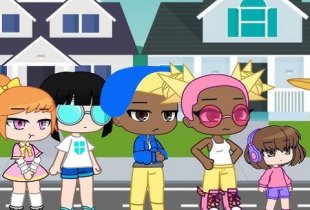
The gameplay in Gacha Nebula is focused on design, composition, and customization. Players start with a blank template that can be adjusted through menus covering body shape, facial features, and style elements. Each layer can be modified in color, scale, and position, allowing for complete creative flexibility. Characters can be placed in custom scenes, where poses and backgrounds combine to form short stories or static images. The simplicity of the tools allows users of any skill level to create complex visuals quickly, emphasizing accessibility and visual organization over technical challenge.
Features And Customization Options
Gacha Nebula includes a structured but open-ended system that supports unlimited creative combinations. Players can mix visual styles, create outfits, and design settings that suit different moods or genres.
Main gameplay features include:
· Full character customization across body, clothing, and accessories
· Scene builder for placing multiple characters and backgrounds
· Color and layering controls for detailed composition
· Save and export system for sharing creations
· Offline access for editing without network connection
Creation And Community
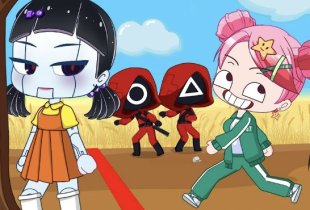
The creative process in Gacha Nebula extends beyond personal design. Many players use their creations for storytelling, social media posts, or fan projects. The game supports character-based narratives by allowing consistent poses, expressions, and group layouts. The community aspect grows through shared templates and collaborative scenes, as players exchange designs and expand on one another’s ideas. Since all elements are modular, it becomes possible to reproduce entire storylines or visual styles with consistency. The toolset encourages users to explore creativity at their own pace while learning how to structure visual storytelling.



Comments