








Game description:
KARDS is a digital strategy card game set during World War II where players command military forces represented by collectible cards. Instead of controlling units directly in real-time battles, players build decks that include infantry, vehicles, aircraft, and tactical orders. Each match takes place between two commanders who compete to destroy the opposing headquarters while protecting their own. The structure combines traditional card game mechanics with elements inspired by historical military strategy.
Choosing A Nation And Deck
Before entering a match in KARDS, players create a deck that represents their army. A typical deck contains forty cards and is usually built around a main nation such as the United States, Germany, the Soviet Union, Japan, or Great Britain. Each nation provides a different set of units and abilities that influence how the army operates.
Players may also include support cards from allied nations. This allows the deck to gain access to additional strategies and special units. Selecting the right combination of cards is an important part of preparing for a match because it determines how the army performs during combat.
Turn-Based Combat System
The game follows a turn-based structure where players take actions one after another. During each turn, commanders spend resources to deploy units or activate special cards that influence the battlefield.
Common gameplay actions include:
· placing infantry, tanks, or aircraft onto the battlefield
· using order cards to create tactical effects
· moving units to the frontline for attacks
· defending the headquarters from enemy units
· managing resources to deploy stronger cards
These actions create a system where planning several turns ahead can provide a strategic advantage.
Battlefield Control And Strategy
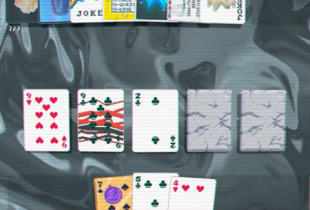
The battlefield in KARDS is divided into a support line and a frontline. Units placed in the support line usually prepare for combat or provide defensive abilities. In order to attack the enemy headquarters or opposing units, a card must move to the frontline.
This structure creates an additional layer of strategy because players must decide when to move units forward and when to keep them in safer positions. Timing becomes important, especially when preparing large attacks or defending against enemy forces.




Comments