


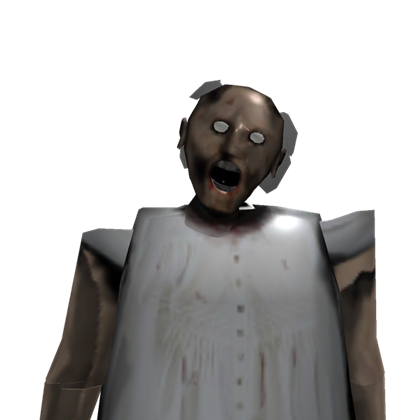






Game description:
Five Nights At Frickbears 3 Nightmare is a survival horror fangame that builds on the structure of the Five Nights series while adding its own systems and variations. The player takes the role of a night guard responsible for monitoring animatronic activity and surviving until morning. The game combines camera management, timed reactions, and resource control. Unlike linear horror experiences, it relies on repeated attempts and pattern recognition to progress.
Core Gameplay Structure
The main gameplay takes place across multiple nights, each increasing in difficulty. The player must monitor different camera feeds, track animatronic movement, and react to threats before they reach the office. Each enemy behaves differently, requiring specific counteractions. Some characters appear on cameras, while others interact with the environment or trigger events.
The Nightmare mode introduces additional pressure by reducing reaction time and increasing the frequency of attacks. Certain enemies become more aggressive or gain new mechanics. This creates a higher dependency on memory and fast decision-making.
Animatronics And Threat Management
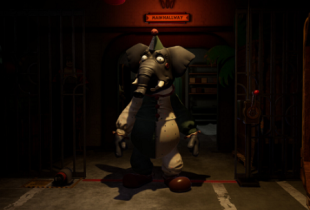
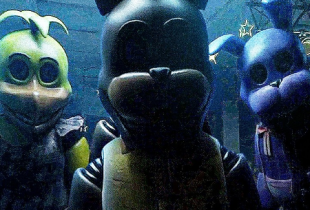
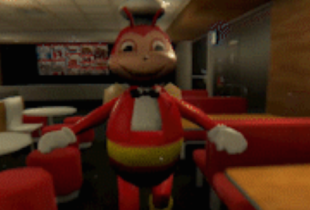
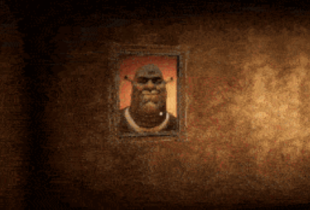
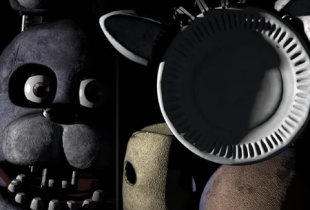
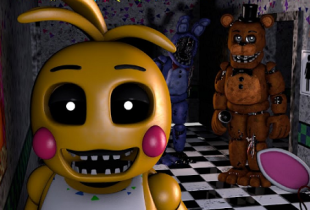
The game includes a large number of animatronic enemies, each designed with unique behavior patterns and interaction rules.
Some enemies must be monitored through cameras continuously
Others require direct interaction, such as clicking or activating tools
Certain threats appear randomly and demand immediate response
Audio and visual cues indicate incoming danger
Failure to react correctly results in instant game over
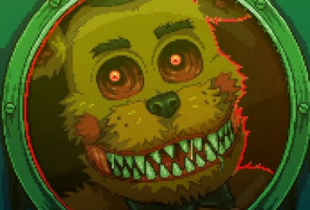
For example, some nightmare-type animatronics appear briefly on camera and must be handled quickly to prevent attacks.
Additional Modes And Systems
Five Nights At Frickbears 3 Nightmare includes systems beyond standard night shifts. The game features side activities such as free-roam segments and salvage mechanics, which expand interaction beyond static monitoring.
Player choice affects progression and outcomes. Multiple endings are available depending on decisions made during gameplay. These systems encourage experimentation and replaying different routes.
Atmosphere And Design
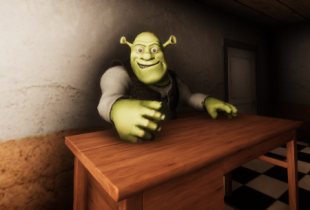
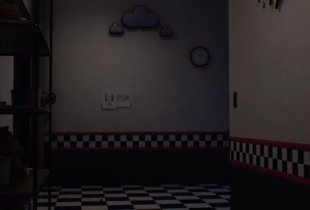
The visual style differs from traditional entries in the genre by combining stylized models with horror elements. Despite simplified designs, the behavior of enemies and sound cues maintain tension. Community feedback highlights the variety of designs and how they influence gameplay readability and reaction timing.
Replayability And Difficulty
Replayability is based on the number of enemies, branching outcomes, and difficulty scaling. Each session presents variations in timing and enemy patterns, requiring adaptation. The Nightmare mode represents the highest challenge level, where small mistakes lead to failure.
The structure focuses on mastery rather than narrative progression. Players improve through repeated attempts, learning enemy behaviors and optimizing responses. This approach aligns the game with other survival horror systems where success depends on consistency and attention rather than scripted sequences.





Comments