









Game description:
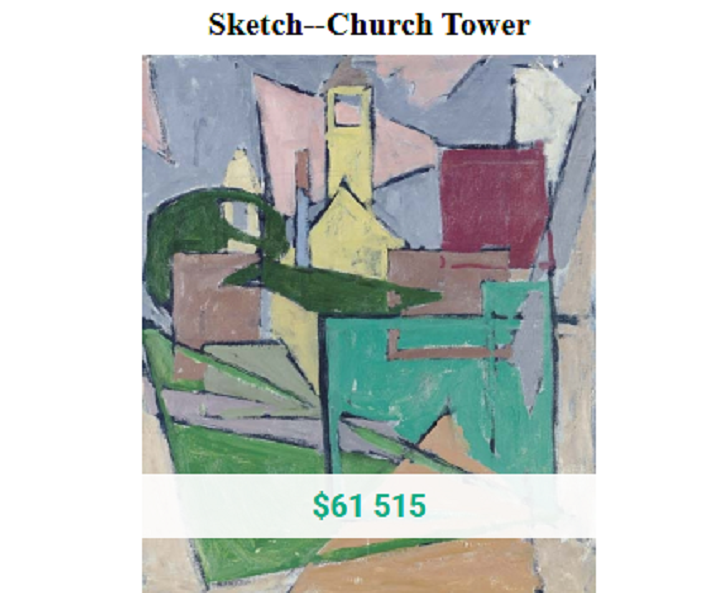
Study the displayed object, decide what a collector might pay for it, and submit a dollar amount. This is the main loop of The Auction. The game then uncovers the recorded selling price and measures the accuracy of the prediction. Players are not expected to purchase the work or compete with other bidders; their only role is to estimate its market value.
Artists, Dates, and Hidden Prices
The information panel identifies each lot before the guess is made. It provides the name of the artist, the title of the piece, and its creation date when available. The image may show a painting, sculpture, furniture item, or decorative object. However, the final auction result stays concealed until an estimate has been confirmed, preventing the answer from being corrected afterward.
One Score Across Nine Artworks
The Auction is organized into nine rounds rather than a story campaign. A different work appears during each stage, and the same guessing process is repeated. Some items sold for a few thousand dollars, while others reached prices measured in millions. This large range means that the player must adjust each prediction instead of relying on the average result from the previous round.
A valuation can be based on:
recognition of the artist’s name;
the period in which the work was produced;
its rarity and cultural importance;
the category and materials of the object;
patterns noticed in earlier revealed prices.
Learning from an Incorrect Estimate
After an answer is submitted, the actual price provides immediate feedback. A large difference shows that the player overestimated or underestimated the lot, while a smaller gap produces more points. There is no timer, so the image and accompanying details can be studied before deciding. The game does not include hints, budgets, inventories, or alternative routes through the rounds.
Once all nine works have been valued, the individual results form a final score between 0 and 1,000. There is no plot conclusion or permanent progression system. A completed session can be followed by another attempt with a different group of lots. The Auction therefore works as both a price-estimation challenge and an introduction to the differences between visual appearance and real auction demand.












Comments