









Game description:
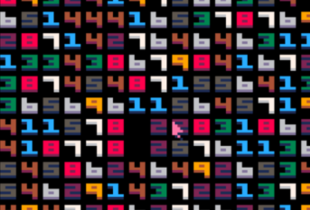
Beltmatic is a factory automation game where the player builds production systems based on mathematical operations. Instead of processing physical resources, the game uses numbers as the main input and output. The objective is to extract numbers from the map, transform them using operators, and deliver the required results to a central hub. Progression is achieved by meeting numerical targets that unlock new tools and systems.
Core Gameplay Mechanics
The gameplay takes place on a grid where the player places extractors, conveyor belts, and processing units. Extractors generate base numbers from specific tiles, and belts transport them across the map. Processing buildings perform operations such as addition or multiplication, allowing the player to construct more complex values.
Each level requires delivering a specific number to the hub. Once the requirement is met, the player advances and gains access to new mechanics. The system encourages planning efficient layouts and minimizing delays in production chains.
Production And Optimization
Progress depends on building structured systems that convert simple numbers into more complex outputs.
Extract base numbers from resource nodes
Combine values using mathematical operators
Route outputs through conveyor belts
Deliver target numbers to the hub
Expand and reorganize production lines
These steps form the foundation of every factory layout. Efficiency becomes increasingly important as targets grow larger.
Expansion And Unlock System
As the player advances, new components are introduced. Additional operators, such as multipliers and advanced processors, allow more efficient number generation. The map expands, requiring longer transport lines and better organization of space.
Upgrades improve production speed, belt capacity, and extraction efficiency. The player can reuse existing systems or redesign them to meet new requirements. This creates a balance between maintaining old structures and building new ones.
Replayability And Structure
Beltmatic does not rely on a narrative. Instead, it focuses on system building and optimization. Each playthrough presents slightly different layouts and numerical goals, which leads to variation in factory design.
Replayability is based on improving efficiency and experimenting with different configurations. Players refine their approach by reducing bottlenecks and increasing output speed. The game emphasizes logical planning and iteration, where progress is achieved through better system design rather than scripted progression.








Comments